Understanding Natural Astaxanthin
The fascination with dietary supplements has escalated, particularly with the growing interest in natural astaxanthin, a powerful antioxidant known for its robust health benefits. Originating from marine sources, natural astaxanthin has garnered attention for its potential to improve overall health and combat various ailments. This article unpacks everything you need to know about natural astaxanthin, including its sources, health benefits, dietary incorporation, and safety considerations.
What is Natural Astaxanthin?
Natural astaxanthin is a carotenoid—a class of pigments found predominantly in algae, seafood, and some plants. Carotenoids contribute to the vibrant colors of many fruits and vegetables, and astaxanthin is known for its deep red hue. Unlike some other antioxidants, astaxanthin is renowned for providing extensive health benefits, including enhanced immune function and improved physical performance.
One of the remarkable features of astaxanthin is its ability to scavenge free radicals more effectively than other antioxidants. Research indicates that astaxanthin may be up to 6000 times more potent than vitamin C in this role. This extraordinary antioxidant capability makes natural astaxanthin a key player in protecting cells from oxidative stress, which is linked to aging and various chronic diseases.
The Source of Natural Astaxanthin
Natural astaxanthin is primarily sourced from microalgae (Haematococcus pluvialis), which are the richest known source of this carotenoid. When subjected to stressful environmental conditions like high light intensity or nutrient deficiency, these algae produce astaxanthin as a protective mechanism. Besides algae, astaxanthin is also found in crustaceans like shrimp and crabs, as well as in fish like salmon and trout, which accumulate it in their tissues, giving them their pink coloration. Both the microalgae and marine animals can serve as excellent dietary sources of astaxanthin.
Chemical Composition and Properties
The molecular structure of natural astaxanthin involves a long-chain polyene with numerous conjugated double bonds that contribute to its antioxidant properties. This structure allows astaxanthin to interact with cell membranes, enhancing stability and making it incredibly efficient at neutralizing free radicals. Unlike many other antioxidants that work in the water phase of cells, astaxanthin's unique chemical properties enable it to function effectively in both water and lipid environments, providing comprehensive cellular protection.
Health Benefits of Natural Astaxanthin
Antioxidant Powerhouses
As a potent antioxidant, natural astaxanthin plays a crucial role in reducing oxidative stress within the body. Oxidative stress occurs when free radicals outnumber antioxidants, leading to cellular damage and inflammation. Natural astaxanthin protects various organs and systems by scavenging reactive oxygen species (ROS) and mitigating the effects of oxidative damage.
One of the most exciting aspects of astaxanthin is its versatility in combatting various health issues. Research suggests that it may improve cardiovascular health by supporting endothelial function and reducing lipid peroxidation in arterial walls. Additionally, studies indicate that astaxanthin can enhance endurance, support recovery post-exercise, and even reduce muscle soreness.
Natural Astaxanthin and Eye Health
Natural astaxanthin is also recognized for its benefits to eye health. It can cross the blood-retinal barrier, showing protective effects on the retina and macula. Research has indicated that astaxanthin may reduce the risk of developing age-related macular degeneration (AMD) and cataracts, as it helps neutralize oxidative stress in these critical areas. Regular intake of natural astaxanthin may improve visual acuity and reduce eye strain, particularly for those who spend extensive hours on screens.
Supporting Skin Health Naturally
The skin is a primary defense against environmental stressors, making its health crucial for overall well-being. Studies suggest that natural astaxanthin can enhance skin health by improving elasticity, reducing the appearance of fine lines, and protecting against UV-induced skin damage. Its anti-inflammatory properties also aid in alleviating skin conditions such as acne and psoriasis. Additionally, astaxanthin’s ability to improve moisture levels can lead to a more youthful and radiant complexion.
How to Incorporate Natural Astaxanthin into Your Diet
Natural Food Sources Rich in Astaxanthin
Incorporating natural astaxanthin into your diet can be achieved through various food sources. Eating salmon, trout, and shrimp, which are naturally rich in astaxanthin, can provide a delicious way to boost your intake. Additionally, some microalgae supplements are available for those who prefer plant-based sources. Seaweed is another great option, along with natural sources like krill oil, which also contains astaxanthin with beneficial omega-3 fatty acids.
Supplements: Dosage and Recommendations
For those looking to increase their astaxanthin intake and not trip into dietary constraints, supplements are a convenient option. The typical dosage for astaxanthin ranges from 4 mg to 12 mg daily, depending on individual health goals and conditions. When selecting a supplement, it is vital to choose high-quality products from reputable manufacturers to ensure efficacy and safety. Consulting a health professional before starting any new supplement regimen is always advisable.
Creative Recipes Featuring Astaxanthin
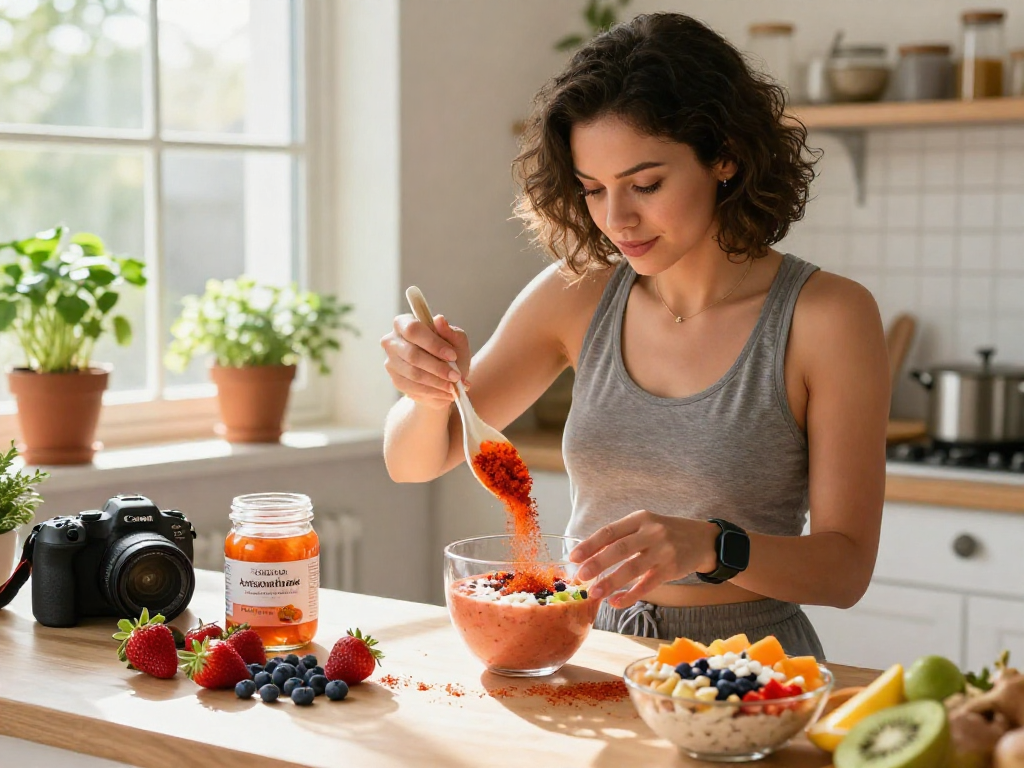
Integrating natural astaxanthin into your meals can be both fun and rewarding. Here are a few creative recipe ideas:
- Salmon Salad: Combine grilled salmon, mixed greens, cherry tomatoes, and a lemon-olive oil dressing for a refreshing meal.
- Shrimp Stir-Fry: Sauté shrimp with colorful vegetables and a ginger-garlic sauce to capitalize on astaxanthin's delicious versatility.
- Algal Smoothie: Blend a scoop of spirulina or chlorella powder into your favorite fruit smoothie to enjoy a potent health boost.
Potential Side Effects and Considerations
Common Reactions to Natural Astaxanthin
Natural astaxanthin is generally considered safe for most individuals when taken in appropriate dosages. However, some users may experience mild side effects such as skin discoloration, gastrointestinal disturbances, or allergic reactions. It is crucial to monitor for any adverse reactions, especially if you are beginning supplementation or introducing large amounts into your diet.
Consulting with a Health Professional
Before incorporating natural astaxanthin into your routine, especially in supplement form, consulting with a healthcare provider can be beneficial. This is particularly important for pregnant or nursing individuals, people with chronic health conditions, or those taking medications. A professional can help determine the appropriate dosage and safeguard against potential interactions.
Who Should Use Astaxanthin?
Natural astaxanthin may be beneficial for various individuals, especially those seeking to enhance athletic performance, improve skin health, or support eye health. However, it is particularly advantageous for seniors who may be more susceptible to oxidative stress and age-related conditions. Athletes and individuals with high physical demands can also benefit from its abilities to reduce muscle soreness and improve recovery times.
Frequently Asked Questions about Natural Astaxanthin
What is the daily recommended intake of natural astaxanthin?
The recommended daily intake of natural astaxanthin typically ranges from 4 mg to 12 mg, depending on personal health needs and supplementation goals.
Can natural astaxanthin improve athletic performance?
Yes, studies suggest that natural astaxanthin may enhance endurance and reduce muscle soreness, aiding in quicker recovery post-exercise.
Are there any interactions with medications?
While generally safe, natural astaxanthin may interact with blood thinners and immunosuppressants. Always consult a healthcare professional before beginning supplementation.
How does natural astaxanthin compare to synthetic alternatives?
Natural astaxanthin is preferred over synthetic versions due to its higher potency and bioavailability, ensuring better absorption and efficacy within the body.
Is natural astaxanthin safe for all ages?
Natural astaxanthin is generally safe for most adults. However, its use in children or during pregnancy should be discussed with a healthcare provider to ensure safety.