Understanding Natural Astaxanthin
What is Natural Astaxanthin?
Natural astaxanthin is a powerful antioxidant belonging to the carotenoid family, which naturally occurs in certain algae, seafood, and plants. Renowned for its distinctive red-orange pigment, natural astaxanthin is what gives many sea creatures—such as shrimp, lobster, and salmon—their vibrant color. This compound is often celebrated for its myriad health benefits, particularly its ability to combat oxidative stress and enhance overall wellness.
Sources of Natural Astaxanthin
While natural astaxanthin can be synthesized in a laboratory setting, the most potent and beneficial sources come from nature. The primary source is Haematococcus pluvialis, a microalga recognized for its high astaxanthin content. Other sources include:
- Seafood: Salmon, crab, and shrimp
- Yeast and certain bacteria
- Plants: Greens like spinach and some red vegetables
Incorporating these foods into your diet can significantly enhance your intake of this beneficial compound.
Benefits of Natural Astaxanthin for Health
Natural astaxanthin has garnered attention in health and wellness communities due to its impressive array of health benefits, which include:
- Antioxidant Power: Research shows that astaxanthin is significantly more powerful than other antioxidants like vitamin C and vitamin E.
- Anti-inflammatory Properties: It may help alleviate inflammatory conditions, supporting a healthy immune response.
- Cardiovascular Health: Astaxanthin can improve lipid profiles and promote heart health by reducing LDL oxidation and enhancing blood circulation.
- Skin Protection: Studies suggest astaxanthin can improve skin elasticity, moisture, and overall clarity, providing a protective barrier against UV damage.
- Exercise Recovery: It contributes to faster recovery times for muscular endurance and reduced soreness post-exercise.
With such profound benefits, incorporating natural astaxanthin into your wellness regime could be a game-changer for your health.
How Natural Astaxanthin Works in the Body
Role as an Antioxidant
Antioxidants are crucial for neutralizing free radicals in the body, which cause oxidative stress—a contributor to various chronic diseases. Natural astaxanthin stands out due to its unique molecular structure that allows it to operate effectively within cell membranes. This ability to span the entire cell membrane gives astaxanthin a protective shield against oxidative damage, conferring benefits for both cellular and systemic health.
Impact on Inflammation and Recovery
Natural astaxanthin has been shown to modulate inflammation levels in the body. By inhibiting inflammatory pathways, it supports recovery from physical stress and injuries. Athletes often use astaxanthin supplements to reduce muscle soreness and recover more effectively. Its anti-inflammatory properties are also beneficial in managing chronic inflammatory conditions such as arthritis.
Natural Astaxanthin and Eye Health
One of the most researched benefits of astaxanthin lies in its effect on eye health. It reaches the retina, providing protection against light-induced damage and oxidative stress. Studies have shown improvement in visual acuity and eye fatigue. As a result, natural astaxanthin is often recommended for individuals who spend prolonged hours in front of screens or experience general visual strain.
Choosing the Right Natural Astaxanthin Supplement
Forms of Natural Astaxanthin Supplements
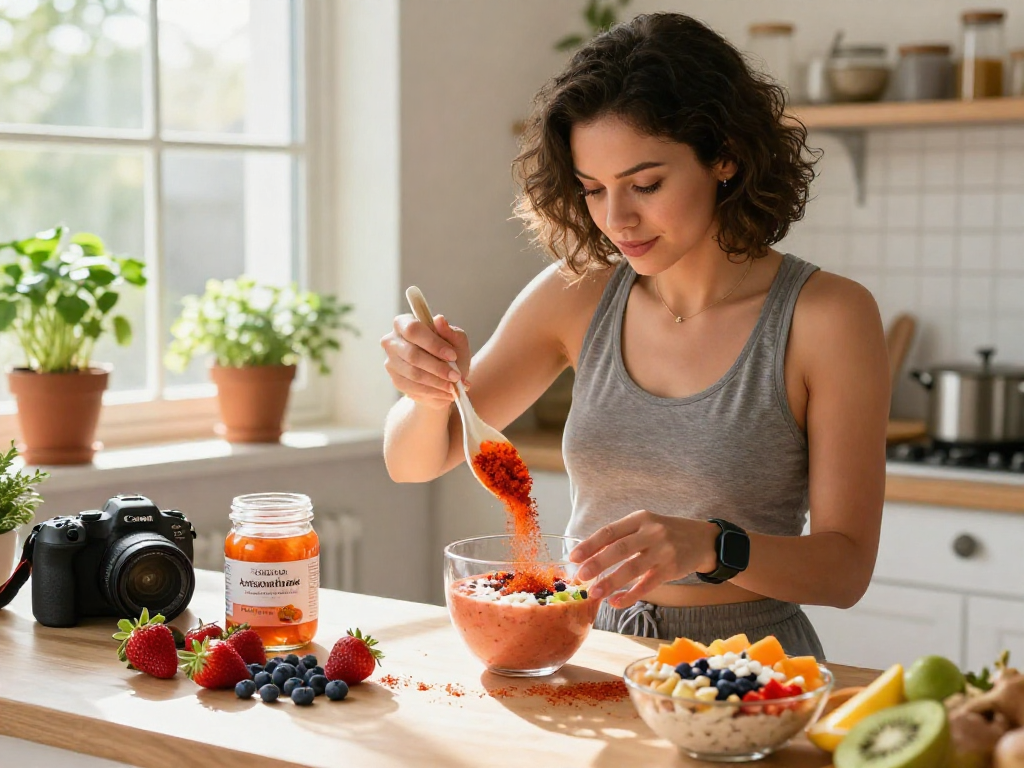
Natural astaxanthin supplements come in various forms, including soft gels, powders, and capsules. Soft gels are popular due to their ease of absorption, while powders can be added to smoothies or meals. It is essential to choose a format that aligns with your lifestyle and consumption preferences.
Dosage Recommendations
The recommended dosage for natural astaxanthin typically ranges from 4mg to 12mg per day, depending on the purpose. For general health support, 4-6 mg may suffice, while athletes or individuals looking for enhanced recovery may benefit from higher doses. Always consult a healthcare professional before beginning any supplement regimen to determine the appropriate dosage based on your health goals and needs.
Identifying Quality Natural Astaxanthin Products
When purchasing natural astaxanthin supplements, it is vital to select high-quality products. Look for:
- Products derived from organic sources, primarily Haematococcus pluvialis.
- Third-party certifications to ensure purity and potency.
- Transparent labeling of dosage and concentration levels.
- Minimal use of fillers or artificial additives.
Reading user reviews and researching the manufacturer can also inform your decision-making process.
Incorporating Natural Astaxanthin into Your Diet
Foods Rich in Natural Astaxanthin
Besides supplements, naturally rich sources of astaxanthin include:
- Salmon: One of the richest sources.
- Trout: Provides a significant amount of astaxanthin.
- Shrimp and lobster: Known for their vivid colors due to astaxanthin.
- Kravitz algae: A versatile food source that can enrich your diet.
Incorporating these foods can enhance your dietary intake of natural astaxanthin while also providing other vital nutrients.
Dietary Strategies for Enhanced Absorption
To maximize the absorption of natural astaxanthin, consider the following strategies:
- Combine with Fats: Natural astaxanthin is fat-soluble, meaning it is best absorbed when consumed with healthy fats, such as olive oil, avocados, or nuts.
- Consume in Whole Foods: Eating foods that contain astaxanthin can often lead to better absorption due to the presence of other synergistic nutrients.
- Regular Consumption: Consistency is key for the body to reap the ongoing benefits of astaxanthin.
Combining with Other Nutrients for Maximum Benefit
When paired with other antioxidants like vitamin E, vitamin C, or CoQ10, natural astaxanthin's efficacy can be amplified. These combinations can provide a multiplied protective effect against oxidative stress, offering enhanced support for your overall health. For example, combining astaxanthin with omega-3 fatty acids found in fish can also improve cardiovascular health.
FAQs about Natural Astaxanthin
What are the side effects of natural astaxanthin?
Natural astaxanthin is generally safe, with minimal side effects reported, such as digestive upset in rare cases. Most users tolerate it well.
Can natural astaxanthin help with skin health?
Yes, it may improve skin elasticity and moisture, providing a protective barrier against UV damage, contributing to a healthier complexion.
Is natural astaxanthin suitable for children?
Consult a healthcare professional before giving supplements to children, as safety and suitability can vary based on individual health factors.
How long does it take to see results from natural astaxanthin?
Some benefits may be noticeable within a few weeks of consistent use, but individual results can vary based on health status and dosage.
Can natural astaxanthin interact with medications?
Always consult a doctor if you are on medications, as natural astaxanthin can affect certain drug efficacy and lead to unexpected results.