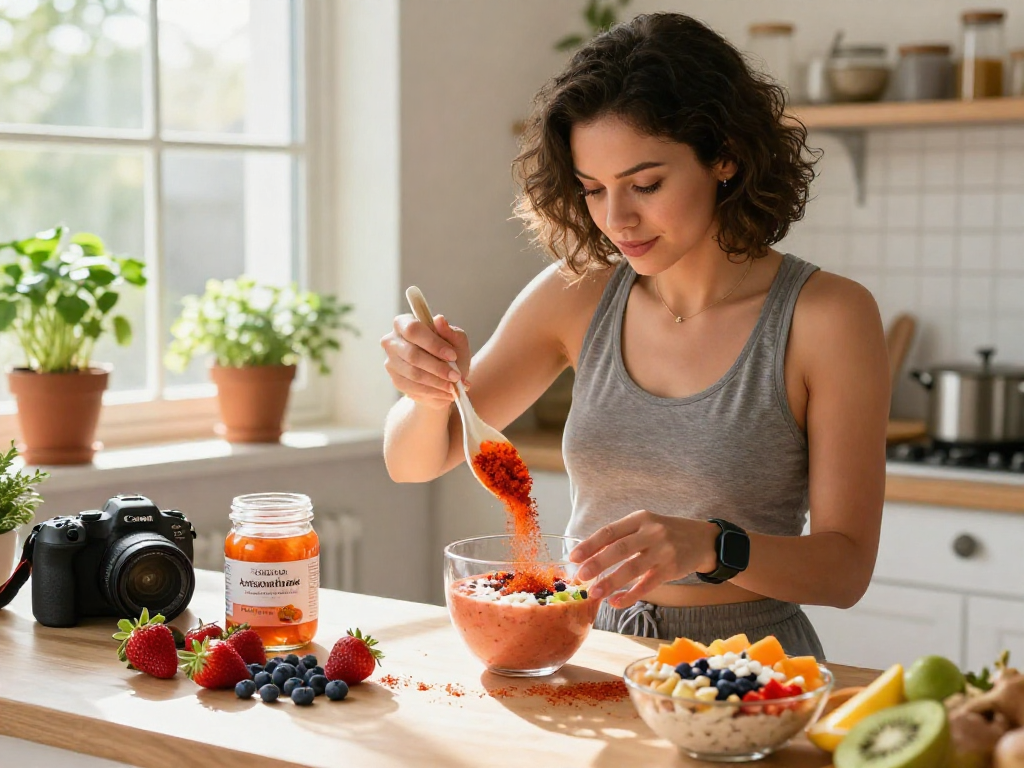
What is Natural Astaxanthin?
Natural astaxanthin is a potent carotenoid and antioxidant that is primarily found in certain microalgae, as well as in various seafood like salmon and shrimp. It plays a crucial role in protecting organisms from oxidative stress, serving as an essential pigment in certain marine life. As interest in health supplements grows, natural astaxanthin has garnered significant attention for its purported health benefits and its ability to enhance overall wellbeing.
The Science Behind Natural Astaxanthin
Astaxanthin belongs to the carotenoid family, responsible for the vibrant pink and red colors in various marine organisms. It is often referred to as the "king of carotenoids" due to its unrivaled antioxidant capacity, which is significantly higher than other well-known antioxidants such as vitamin E and beta-carotene. The effectiveness of natural astaxanthin comes from its unique molecular structure, which allows it to scavenge free radicals, reduce inflammation, and support cellular function. Studies have shown that astaxanthin can penetrate cell membranes and protect both lipid and protein structures from oxidative damage.
Sources of Natural Astaxanthin
Natural astaxanthin is predominantly sourced from the microalga Haematococcus pluvialis, which contains the highest concentration of this compound. In addition, astaxanthin is found in various marine life, notably:
- Salmon: Wild-caught salmon, particularly, exhibits high levels of astaxanthin due to their diet which includes astaxanthin-rich algae.
- Shrimp: These crustaceans also contain significant amounts of astaxanthin, contributing to their pink hue.
- Krill: A small crustacean that is a primary food source for many marine animals, krill is another rich source of natural astaxanthin.
Comparison with Synthetic Astaxanthin
While both natural and synthetic astaxanthin offer antioxidant benefits, there are notable differences between the two. Natural astaxanthin, derived from algae, is often regarded as being more effective due to its bioavailability and synergistic interactions in the body. Meanwhile, synthetic astaxanthin is chemically produced and may lack some of the complexities and additional health benefits offered by its natural counterpart. Research suggests that the natural form not only has greater efficacy but also carries fewer risks of side effects compared to synthetic options.
Health Benefits of Natural Astaxanthin
Natural astaxanthin is commonly associated with a wide array of health benefits that make it a valuable addition to dietary supplements. Its effects range from enhancing skin and eye health to improving physical endurance and heart health.
Antioxidant Properties
The primary health benefit of natural astaxanthin is its powerful antioxidant properties. This carotenoid is renowned for its ability to neutralize free radicals, thereby reducing oxidative stress and protecting cells from damage. This characteristic is particularly beneficial for aging individuals, as oxidative stress is a significant factor in age-related diseases. Various studies have highlighted that astaxanthin can help mitigate the effects of oxidative damage, potentially lowering the risk of developing conditions such as cancer and heart disease.
Heart Health and Inflammation
Natural astaxanthin has been studied for its positive impact on cardiovascular health. It has been shown to lower levels of LDL cholesterol while raising HDL cholesterol, contributing to a healthier lipid profile. Furthermore, astaxanthin has anti-inflammatory properties that can help reduce inflammation within arteries, potentially minimizing the risk of atherosclerosis and hypertension. Consuming astaxanthin may also improve the overall function of the endothelial cells that line blood vessels, promoting better circulation and heart health.
Eye and Skin Protection
Natural astaxanthin is recognized for its benefits to eye health, especially in combating age-related macular degeneration and other vision-related issues. By reducing oxidative stress in the eye and enhancing blood flow, astaxanthin can support overall retinal health. Regarding skin protection, natural astaxanthin has been demonstrated to improve skin elasticity and moisture while reducing fine lines and UV-induced damage. Consistent intake of astaxanthin can enhance the skin's resilience against sun exposure, providing a shield against harmful effects.
How to Incorporate Natural Astaxanthin in Your Diet
Integrating natural astaxanthin into your diet can be achieved through various food sources and supplement options. Understanding the available formats and recommended practices can help optimize its benefits.
Natural Food Sources
As mentioned, natural astaxanthin is mainly found in seafood. Incorporating the following astaxanthin-rich foods into your diet can be beneficial:
- Wild salmon: Aim for a couple of servings a week to enjoy its rich astaxanthin content.
- Krill oil: Often available as a supplement, krill oil provides both omega-3 fatty acids and astaxanthin.
- Red trout and shrimp: These seafood options can also be excellent sources of astaxanthin.
Supplement Options
If dietary sources are insufficient or inconvenient, astaxanthin supplements provide a practical alternative. These nutritional supplements are typically available in soft gel or liquid form, making them easy to incorporate into daily routines. Always choose products labeled "natural" to ensure you're receiving the authentic astaxanthin derived from algae.
Recommended Dosages
The recommended daily dosage for natural astaxanthin varies based on individual health needs and goals but typically ranges from 4 to 12 mg. It's beneficial to consult with a healthcare provider to determine the most suitable dosage for your specific health circumstances, particularly if you have existing health conditions or are pregnant or nursing.
Potential Side Effects and Safety of Natural Astaxanthin
While natural astaxanthin is generally considered safe for most individuals, awareness of potential side effects and interactions with medications is crucial before incorporating it into your diet.
Common Side Effects
The side effects of natural astaxanthin are rare; however, some users may experience mild symptoms including digestive discomfort, changes in skin tone, or temporary reddish discoloration of the skin if consumed in excessive amounts. Most individuals tolerate astaxanthin well, but it's advisable to start with a lower dose to assess tolerance.
Interactions with Medications
Natural astaxanthin may interact with blood-thinning medications like warfarin, enhancing their effects. Individuals on such medications should consult a healthcare provider before adding astaxanthin to their regimen. Additionally, if you are undergoing treatment or have chronic health issues, it's advisable to seek professional advice regarding astaxanthin supplementation.
Precautions for Specific Populations
Certain populations, including those who are pregnant or breastfeeding, should exercise caution. While there is no current evidence suggesting that astaxanthin is harmful during pregnancy or lactation, staying informed and consulting healthcare professionals is vital. Additionally, individuals with specific allergies, particularly to seafood, may want to avoid astaxanthin supplements derived from marine sources.
FAQs about Natural Astaxanthin
What is the difference between natural and synthetic astaxanthin?
Natural astaxanthin is derived from algae, while synthetic astaxanthin is chemically manufactured and may lack some benefits of the natural form.
Can natural astaxanthin improve my skin health?
Yes, natural astaxanthin can enhance skin elasticity, provide moisture, and protect against UV damage, contributing to healthier skin.
Is there any risk in taking natural astaxanthin supplements?
Generally safe, but consult with a healthcare provider if you have existing health conditions or are on medications that may interact.
How much natural astaxanthin can I safely consume daily?
The typical recommended daily intake ranges from 4 to 12 mg, tailored to individual health goals and needs.
What food sources contain natural astaxanthin?
Natural astaxanthin can be found in foods such as salmon, shrimp, krill, and certain algae, making it accessible in a balanced diet.