
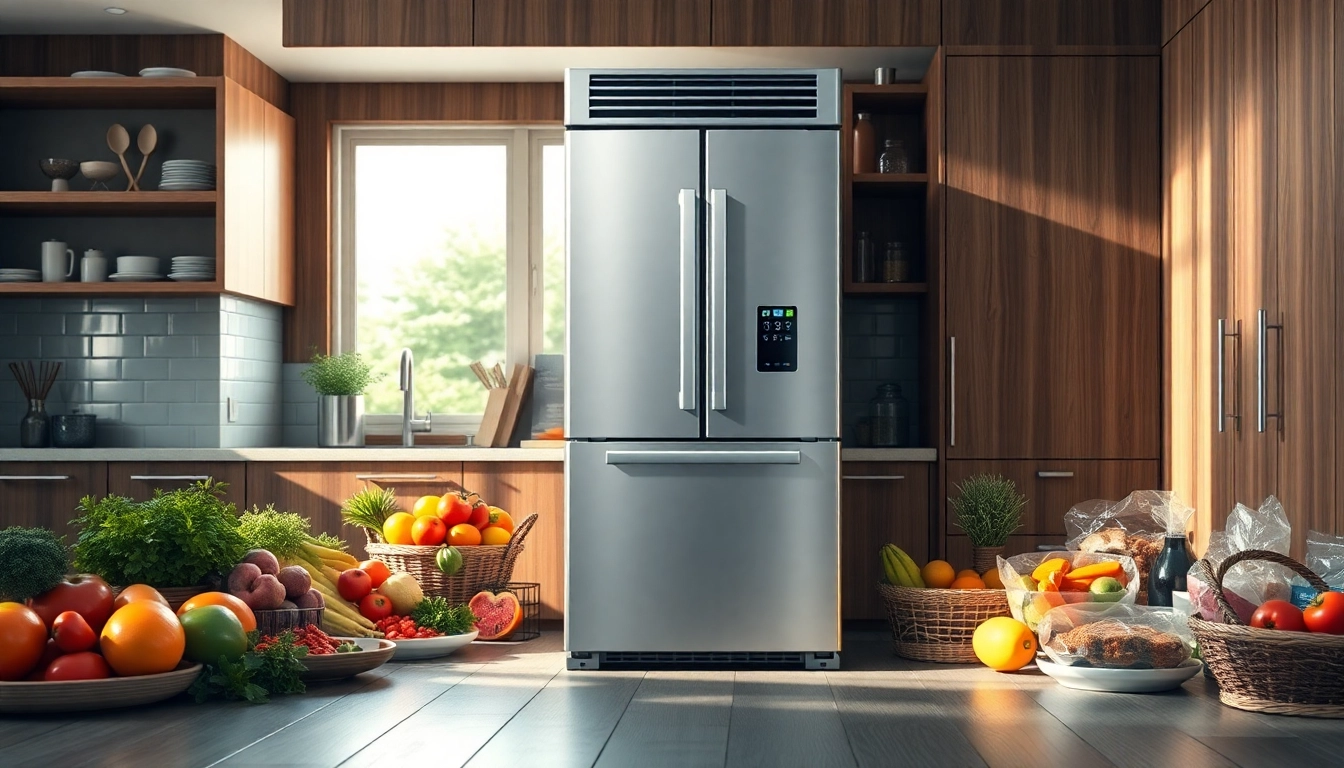
Understanding the Importance of Freezer Storage
In today’s fast-paced world, efficient food storage solutions are more crucial than ever. A Freezer serves not only as a means to extend the shelf life of food but also facilitates meal preparation and waste reduction. This article delves into the multifaceted benefits of freezer storage and offers practical insights for maximizing its utility.
Benefits of Using a Freezer
Utilizing a freezer presents numerous advantages for individuals and families alike. Here are some key benefits:
- Extended Shelf Life: Freezing significantly prolongs the freshness of foods, preventing spoilage. This allows you to buy in bulk without the constant worry of items expiring too soon.
- Cost Savings: By storing food in the freezer, you can take advantage of sales and bulk purchases, ultimately reducing grocery bills.
- Convenience: Having a variety of frozen meals ready to go simplifies mealtime and reduces the effort required for daily cooking.
- Reduced Waste: Freezers minimize food waste by allowing you to preserve surplus food, particularly seasonal fruits or vegetables.
How Freezers Preserve Food Quality
Freezing food at peak freshness is essential to maintain quality. The freezing process halts microbial growth and chemical reactions that cause deterioration, allowing food to retain most of its original flavor, texture, and nutrients. However, it is important to ensure proper storage techniques, such as:
- Use Airtight Packaging: Preventing air exposure helps to maintain freshness and prevents freezer burn.
- Right Temperature: Keeping the freezer at or below 0°F (-18°C) is crucial for optimal preservation.
- Fast Freezing: Rapidly freezing food can better retain texture and flavor. This can be achieved by spreading food out in a single layer before transferring it to the freezer.
Common Misconceptions About Freezer Usage
Despite the numerous advantages, several misconceptions about freezer usage persist:
- Freezer Burn Makes Food Unsafe: Freezer burn affects quality but does not indicate food safety issues. Food can still be consumed, although it may have unsatisfactory texture or taste.
- All Foods Freeze Well: Certain foods like leafy greens, gelatin-based dishes, and eggs in their shells do not freeze well.
- Freezing Destroys Nutrients: Most nutrients are preserved in frozen foods, making this method a viable option for maintaining nutritional value.
Types of Freezers Explained
Understanding the various freezer types available can aid in making an informed choice that meets specific needs. Here, we explore the two primary categories of freezers: chest and upright.
Chest Freezers vs. Upright Freezers
Each type has its unique advantages and drawbacks. Here’s a comparative analysis:
- Chest Freezers: Generally more energy-efficient, they provide ample storage space, ideal for bulk items. However, retrieving food can require digging through items, and they often have floor space requirements.
- Upright Freezers: These offer a more organized storage experience, as shelves allow for easier access to items. However, they may consume slightly more energy and have less capacity than chest models.
Types of Freezers for Different Needs
Beyond the basic types, there are specialized freezers catering to specific needs, including:
- Portable Freezers: Compact and suitable for travels, they are excellent for outdoor activities.
- Commercial Freezers: Purpose-built for restaurants or grocery stores where large quantities of food require freezing.
- Frost-Free Freezers: Equipped with technology to prevent ice buildup, these models require minimal maintenance and are generally easier to use.
Energy Efficiency in Freezer Selections
When selecting a freezer, energy efficiency is a critical factor as it impacts both the environment and utility bills. Look for:
- Energy Star Ratings: Choosing models rated by Energy Star can help ensure lower energy consumption.
- Size Consideration: Opting for the correct size based on your storage needs prevents unnecessary energy expenditure.
- Insulation Quality: Better insulation can enhance efficiency by minimizing temperature fluctuations.
Best Practices for Organizing Your Freezer
Maximizing efficiency in your freezer storage requires a practical approach to organization. Consider the following best practices:
Effective Storage Strategies
Implementing effective storage solutions can significantly enhance accessibility:
- Group Similar Items: Categorizing items—meats, vegetables, leftovers—facilitates easier access and reduces searching time.
- Use Clear Containers: Utilizing transparent bins helps you identify contents without opening every package.
Labeling and Inventory Management
Keeping track of what’s in the freezer is essential. Adopting a labeling system can prevent forgotten items:
- Use Labels: Clearly label containers with contents and freezing dates to maintain an accurate inventory.
- Inventory Checklist: Consider creating an inventory list to ensure you know what’s available, helping with meal planning.
Tips for Maximizing Storage Space
Maximizing space in your freezer contributes to efficiency. Here are tips to optimize storage:
- Utilize Vertical Space: Properly stack items and utilize shelves to maximize vertical space.
- Freeze Flat: Flatten bags of food before freezing to save space and allow for easier stacking.
Common Freezer Problems and Solutions
Even the best freezers can encounter issues. Understanding common problems and effective solutions is vital for maintaining functionality:
Dealing with Freezer Burn
Freezer burn occurs when air reaches food surfaces, causing dehydration and spoilage. Here’s how to mitigate it:
- Airtight Packaging: Use vacuum-sealed bags or airtight containers to limit exposure to air.
- FIFO Method: Implement the first-in-first-out method to use older items before they degrade.
Power Outages: Keeping Food Safe
Power outages can threaten the integrity of frozen goods. Follow these tips to preserve food:
- Keep the Door Closed: Keeping the freezer door closed as much as possible will help maintain temperature.
- Monitor Temperature: Use a thermometer to check the internal temperature; food should remain safe if below 40°F (4°C).
Maintenance Tips for Longevity
Regular maintenance can extend the lifespan of your freezer:
- Keep It Clean: Regularly defrost and clean the freezer to prevent ice buildup.
- Check Seals: Ensure door seals are intact to prevent cold air from escaping.
FAQs About Freezer Usage
How much can I store in my freezer?
The storage capacity varies by model, but typically, a chest freezer can hold about 35-40 lbs per cubic foot. Plan based on your household’s needs.
What foods should not be frozen?
Avoid freezing items like leafy greens, cream sauces, and whole eggs in their shells, as they do not freeze well and may spoil.
How do I prevent freezer burn?
Use vacuum-sealed bags or airtight containers to minimize air exposure, and ensure proper packaging of all food items.
Can I refreeze food after thawing?
Yes, food can be refrozen if it was thawed in the refrigerator and has not exceeded two hours at room temperature.
What’s the ideal temperature for my freezer?
The ideal temperature for a freezer is 0°F (-18°C) to ensure food remains safe and maintains its quality.