
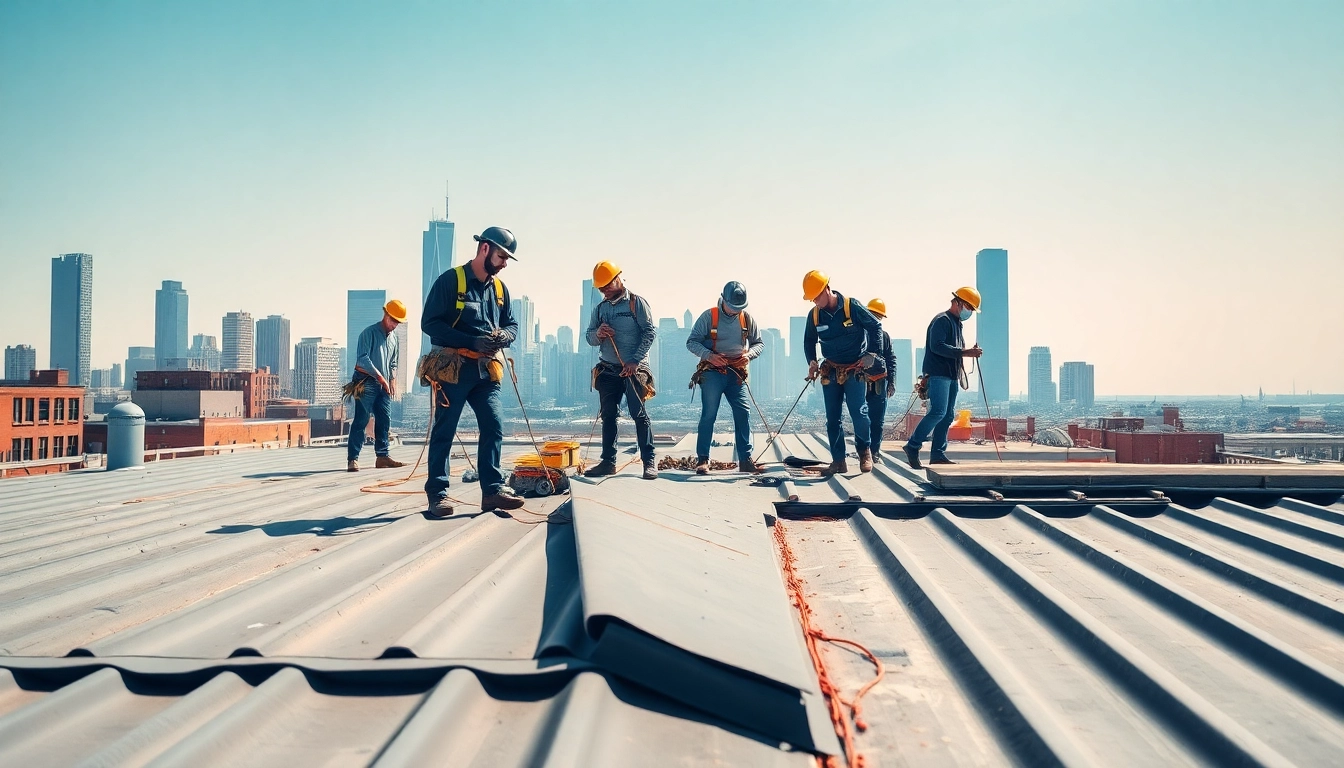
Understanding Commercial Roofing Services
What are Commercial Roofing Services?
Commercial roofing services encompass a broad range of solutions aimed at covering and protecting commercial buildings. These services include roof installation, maintenance, and repair designed to meet the specific needs of businesses. Unlike residential roofing, commercial roofs typically employ materials and techniques that prioritize durability and strength, given their larger size and the significant stresses they experience. Recognizing the importance of reliable protection, business owners often turn to specialized commercial roofing services that ensure their assets are well-protected from environmental elements.
Types of Commercial Roofing Options
Understanding the different roofing options available is crucial for business owners to make informed decisions. The primary categories of commercial roofing systems include:
- Flat Roofing: Ideal for many commercial buildings, flat roofs are low-pitched and allow for easy maintenance and installation of HVAC units. Common materials include TPO (Thermoplastic Polyolefin), EPDM (Ethylene Propylene Diene Monomer), and PVC (Polyvinyl Chloride).
- Metal Roofing: Known for its longevity and durability, metal roofing is excellent for commercial buildings. Options include standing seam metal roofs and corrugated metal panels, which provide superior resistance to weather and fading.
- TPO and PVC Roofing: These single-ply membranes are highly energy-efficient and can be mechanically attached or fully adhered to the roof surface, making them suitable for a variety of commercial applications.
- Built-Up Roofing (BUR): This traditional roofing method involves alternating layers of bitumen and reinforcing fabrics. It is known for its durability and effectiveness in flat roofing situations, particularly in places experiencing harsh weather conditions.
- Modified Bitumen: This type of roofing consists of asphalt and polymer-modified materials, providing flexibility and ease of installation. It is ideal for buildings that require additional weather resistance.
Benefits of Professional Roofing Solutions
Engaging professional commercial roofing services brings several advantages that stem from their expertise and access to quality materials. Here are some key benefits:
- Expertise: Professional roofing contractors bring specialized knowledge and experience in handling various roofing systems, ensuring effective installation and maintenance practices.
- Quality Materials: Commercial roofing professionals have access to high-quality roofing materials that may not be readily available to the general public. This ensures lasting durability and effectiveness.
- Time Efficiency: Roofing professionals can complete projects more swiftly and efficiently as they possess the right tools and experience to handle roofing installations or repairs without delay.
- Safety: Roofing can be a hazardous job, especially with the height and complexities involved. Professionals adhere to safety regulations to protect themselves and the integrity of the building.
- Warranty and Insurance: Many professional roofing services offer warranties on their work and are fully insured, providing peace of mind for business owners in the event of unforeseen issues.
Selecting the Right Commercial Roofing Services
Factors to Consider When Choosing
Selecting the right commercial roofing service provider can significantly impact the project’s success. Consider the following factors when making your decision:
- Experience: Look for a contractor with a proven track record and extensive experience in commercial roofing. An established contractor will have the necessary knowledge to deal with various roofing issues.
- Reputation: Conduct research on reviews, testimonials, and ratings from previous clients to assess the contractor’s reputation within the industry.
- Specialization: Ensure the contractor specializes in the specific type of roofing system you are interested in. This ensures they have the necessary expertise to deliver high-quality work.
- Pricing: Obtain multiple quotes but focus on the value offered rather than just the cost. Understand what is included in the price to ensure there are no hidden charges.
- Certifications: Check for necessary licenses and certifications that indicate compliance with industry standards, ensuring you are working with qualified professionals.
How to Evaluate Contractor Expertise
Evaluating the expertise of a contractor involves asking the right questions and requesting essential documents. Start by reviewing their portfolio of previous projects to assess the quality of their work. Ask for references from past clients and follow up on their experiences. Additionally, inquiring about their safety practices, warranties, and materials used can provide further insights into their competence. A reputable contractor should be willing and able to discuss these aspects transparently.
Importance of Certifications and Licensing
Certifications and licensing should never be overlooked when selecting a commercial roofing service provider. These credentials ensure that the contractor adheres to industry standards and regulations, protecting your business from potential liabilities. Look for contractors who have certifications from recognized industry organizations. This commitment to continuing education reflects their dedication to maintaining high standards in roofing practices.
The Process of Installing Commercial Roofing
Step-by-Step Installation Process
The installation of commercial roofing involves multiple steps that require careful planning and execution. Here’s a detailed look at the typical workflow:
- Initial Inspection: A thorough assessment of the building is conducted to determine the existing roof condition and design considerations.
- Material Selection: Based on the inspection, the appropriate roofing materials are selected based on factors such as budget, durability, and building specifications.
- Preparation Site: The installation site is prepared by removing old roofing materials, repairing any underlying structural damage, and ensuring the area is clean and safe.
- Installation: The new roofing system is installed according to the manufacturer’s specifications, including proper sealing, flashing, and insulation where needed.
- Quality Assurance: After installation, a quality assessment ensures that the roof meets all required standards and is fully functional.
- Maintenance Planning: A maintenance schedule is established to promote the long-term health of the roof.
Common Materials Used in Commercial Roofing
In commercial roofing, the choice of materials can significantly affect the overall performance and longevity of the roof. Some commonly used materials include:
- Thermoplastic Polyolefin (TPO): A single-ply membrane that’s highly resistant to UV radiation and extreme temperatures.
- Ethylene Propylene Diene Monomer (EPDM): Known for its durability and low-cost installation, this rubber-like material is popular among flat roofs.
- Polyvinyl Chloride (PVC): A versatile material known for energy efficiency and resistance to chemicals and fire.
- Metal Panels: Often made from steel or aluminum, metal roofing offers a durable and long-lasting solution, suitable for a wide range of commercial buildings.
- Built-Up Roofing: Typically made of multiple layers of asphalt and gravel, it offers excellent insulation and weather protection.
Timeframe for Installation and Factors Affecting It
The timeframe for completing a commercial roofing installation can vary based on several factors, including:
- Roof Size: Larger roofs naturally take longer to install than smaller ones.
- Weather Conditions: Adverse weather can delay the installation process, while ideal weather conditions can expedite it.
- Material Type: Some materials require more time for installation and curing than others.
- Site Accessibility: Limited access to the site can complicate logistics and prolong the installation timeframe.
Maintenance for Long-Lasting Roofing Solutions
Routine Maintenance Practices
Routine maintenance plays a crucial role in prolonging the lifespan of commercial roofs and preventing expensive repairs. Key practices include:
- Regular Inspections: Inspect the roof biannually, especially after severe weather events to identify potential issues early.
- Clean Drains and Gutters: Ensure that drains, gutters, and downspouts are clear of debris to prevent water pooling and potential leaks.
- Check Flashing and Sealants: Regularly examine all flashing and sealants for wear and replace them as necessary to maintain a watertight seal.
- Address Minor Repairs Promptly: Minor issues can quickly escalate; addressing them early can save time and money in the long run.
Signs Your Roof Needs Repair
Business owners should stay vigilant for signs indicating that a roof may need repair, including:
- Leaks: Water stains, discoloration on ceilings or walls can indicate underlying roofing issues.
- Damaged Flashing: If the flashing appears corroded or damaged, it could lead to leaks.
- Bubbling or Blistering: These surface changes can suggest that moisture is trapped under the roofing materials.
- Frequent Debris: If your roof consistently collects debris or has pooled water after rain, it may require maintenance.
How to Extend the Lifespan of Your Commercial Roof
Extending the lifespan of a commercial roof requires proactive measures, including:
- Regular Maintenance: As discussed, routine inspections and maintenance can prevent small issues from becoming significant problems.
- Quality Upgrades: Invest in high-quality materials and installation from accredited professionals to maximize durability.
- Install Proper Insulation: Adequate insulation can reduce temperature fluctuations and the thermal load on the roofing materials.
- Promptly Address Repairs: Ignoring repair needs can lead to more extensive damage over time.
Cost Considerations for Commercial Roofing Services
Budgeting for Commercial Roofing Projects
Budgeting for a commercial roofing project requires a thorough understanding of potential costs. Conducting a comprehensive market analysis can help you forecast expenses effectively. Some essential elements to consider when budgeting include:
- Material Costs: The choice of roofing materials significantly impacts your overall budget.
- Labor Costs: Hiring experienced professionals may come at a higher cost but can result in fewer problems and more extended warranties down the line.
- Permitting/Inspections:Ensure to factor in any legal requirements and fees associated with permits and inspections.
- Maintenance Expenses: Including a budget for maintenance can help mitigate unforeseen costs in the future.
Understanding Pricing Factors
A variety of factors influence the pricing of commercial roofing services. Key considerations to keep in mind include:
- The Roof Size: Larger roofing areas require more materials and labor, naturally increasing costs.
- The Roof Pitch: Steeper roofs can be more challenging and dangerous to work on, leading to higher labor costs.
- Location: Geographic location can affect material availability and labor rates, impacting overall pricing.
- Time of Year: Roofing costs can fluctuate seasonally depending on demand, with potential pricing increases during peak seasons.
Return on Investment from Quality Roofing
Investing in quality commercial roofing services can yield significant returns for business owners. High-quality roofs offer:
- Improved Energy Efficiency: Quality materials can keep your building cooler in the summer and warmer in the winter, reducing energy costs.
- Less Frequent Repairs: High-quality roofs are less prone to damage, which means less money spent on repairs over time.
- Increased Property Value: A well-maintained and adequately installed roof enhances the overall value of the property.
- Insurance Benefits: Quality roofs often qualify for reduced insurance premiums, as they present lower risk to insurers.