

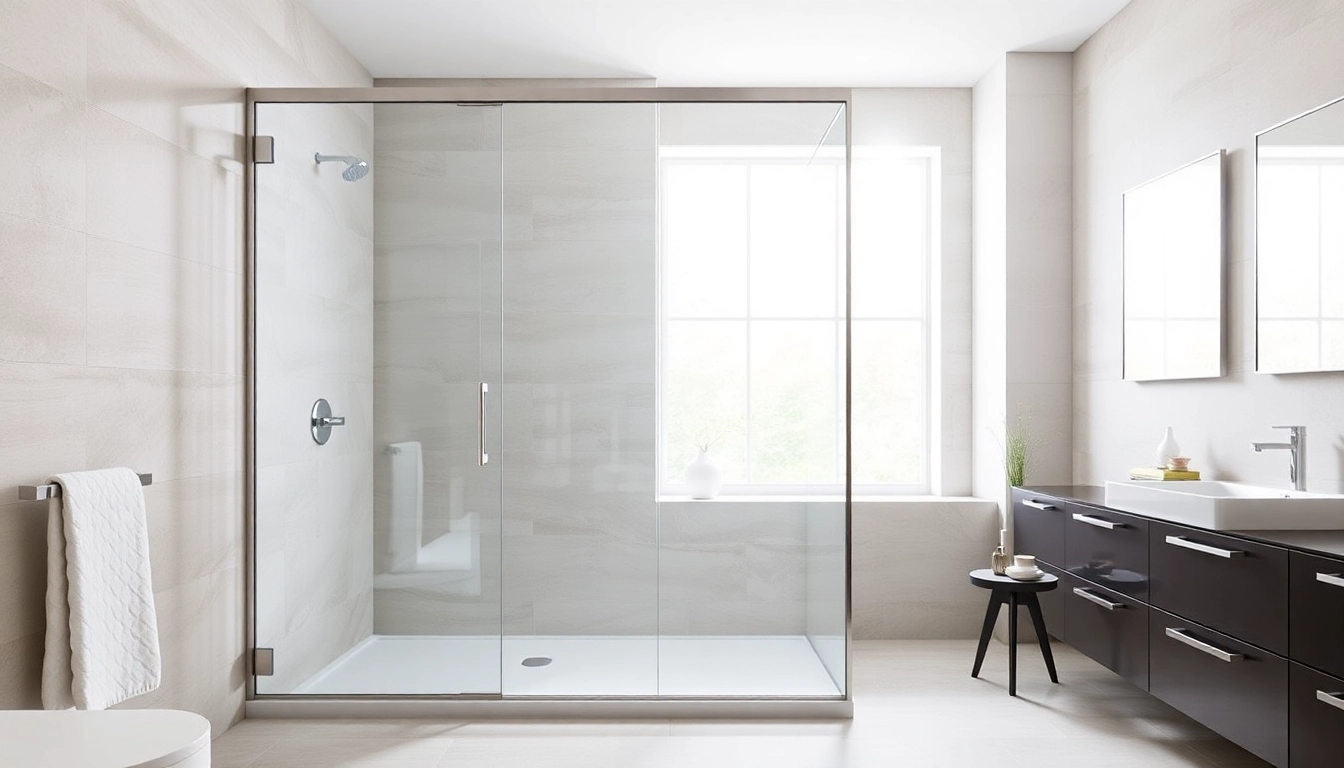
Introduction to Sliding Shower Screens
Sliding shower screens are an elegant, efficient, and stylish solution to enhance your bathroom space. Unlike traditional hinged doors that swing open, these screens glide effortlessly along tracks, making them ideal for smaller bathrooms where space is at a premium. With a variety of styles and materials available, choosing sliding shower screens can transform your shower area into a modern sanctuary.
What Are Sliding Shower Screens?
Sliding shower screens are panels, usually made of glass, that slide horizontally along a track to open and close the shower area. They can either have a framed design, which features an outline made from metal or other materials, or a frameless design, offering a sleek, seamless look. These doors are popular for their space-saving benefits and stylish appearances, making them a staple in contemporary bathroom designs.
Benefits of Choosing Sliding Shower Screens
There are numerous advantages to selecting sliding shower screens for your bathroom:
- Space Efficiency: Sliding doors do not require space to swing open, making them perfect for smaller bathrooms where every inch counts.
- Modern Aesthetics: With their clean lines and minimalist look, sliding screens can elevate the interior design of any bathroom.
- Easy Accessibility: These screens allow for easier entry and exit from the shower, particularly for individuals with mobility challenges.
- Variety of Styles: They come in various designs, including frameless options, which provide a luxurious feel and enhance visibility.
Common Materials Used in Sliding Shower Screens
Sliding shower screens can be constructed from a range of materials, each offering different benefits:
- Glass: Tempered glass is the most common material, known for its strength and safety. It comes in clear, frosted, or tinted finishes, adding to the aesthetic appeal.
- Aluminum Frames: Many designs feature aluminum frames, which provide durability and are lightweight, allowing for easy installation.
- Plastic or Acrylic: Some budget-friendly options feature acrylic panels instead of glass, providing a lighter and less expensive alternative.
Choosing the Right Style
When selecting sliding shower screens, various styles cater to different tastes and needs. Understanding these styles can help improve the functionality and design of your bathroom.
Framed vs. Frameless Sliding Shower Screens
The choice between framed and frameless designs significantly influences the overall look of your bathroom:
- Framed Sliding Shower Screens: These screens have an aluminum or metal frame that borders the glass panels. They tend to be more durable and easier to install, making them a practical choice for many homeowners.
- Frameless Sliding Shower Screens: Offering a sleek and modern appearance, frameless screens lack visible frames, allowing for a more open and airy feel. They typically require professional installation due to their heavier glass panels.
Design Considerations for Different Bathroom Styles
When considering sliding shower screens, it’s essential to match the design with your existing bathroom aesthetics. For instance:
- Modern Bathrooms: Opt for minimalist frameless designs that emphasize simplicity and cleanliness.
- Traditional Bathrooms: Choose framed options that might incorporate more detail and design elements, enhancing the classic aesthetic.
- Luxury Spaces: High-end materials and finishes, such as brushed nickel or antique bronze frames, can elevate the bathroom’s overall look.
Customizing Your Sliding Shower Screens
Customization is a significant trend in bathroom design. Homeowners can tailor their sliding shower screens with features such as:
- Glass Treatments: Options like etching or film can enhance privacy while still allowing light to flow through.
- Track and Roller Systems: You can choose different materials and finishes for tracks and rollers to fit your design vision.
- Color and Finish: Frames come in various color options, enabling personalization that complements your bathroom’s decor.
Installation Process
The installation of sliding shower screens is a crucial step that directly impacts their functionality and durability. You can choose to do it yourself or hire a professional, depending on your comfort level with home improvement tasks.
Preparing Your Bathroom for Installation
Before installing your sliding shower screens, careful preparation is necessary:
- Measure Accurately: Take precise measurements of the shower area to ensure a proper fit.
- Gather Necessary Tools: Common tools include a level, drill, screwdriver, measuring tape, and silicone sealant.
- Prepare the Space: Clear the shower area of any obstacles and clean surfaces to ensure effective adhesion and alignment.
Step-by-Step Installation Guide
Follow these steps to install your sliding shower screens successfully:
- Install the top and bottom tracks according to the manufacturer’s instructions, ensuring they are level.
- Attach the wall brackets to support the sliding screens.
- Carefully lift the glass panels and insert them into the tracks. Ensure each panel is securely anchored.
- Install the handles and any additional fixtures as needed.
- Use silicone sealant to ensure the edges are watertight.
Professional vs. DIY Installation
Your decision between DIY and professional installation will depend on several factors:
- Expertise: If you’re comfortable with basic tools and measurements, you can handle the installation yourself. However, craftier designs may require professional help.
- Time Considerations: Professionals typically complete installations faster than the average DIYer, especially if complications arise.
- Warranties: Some manufacturers may provide warranties only if products are installed by certified professionals.
Maintenance Tips for Sliding Shower Screens
To ensure the longevity and functionality of your sliding shower screens, consistent maintenance is key.
Regular Cleaning Techniques
Cleaning your sliding shower screens does not have to be an arduous task. Follow these tips for effective maintenance:
- Daily Rinsing: Rinse the glass with water to remove soap scum and hard water deposits, helping prevent buildup over time.
- Use a Mild Cleaner: Use a gentle, non-abrasive cleaner on a microfiber cloth or sponge for in-depth cleaning.
- Water-Repellent Treatments: Apply a glass treatment to create an invisible barrier against hard water stains and grime.
Addressing Common Issues
Sliding shower screens may encounter some issues requiring attention. Common problems include:
- Squeaky Tracks: Apply lubrication to the tracks to resolve noise and ensure smooth gliding.
- Stuck or Misaligned Panels: Check the alignment and adjust the panels as needed to restore functionality.
- Corroded Hardware: Regularly check hardware and replace any corroded parts to maintain integrity and safety.
Longevity and Care of Your Sliding Shower Screens
Good maintenance not only improves appearance but also extends the lifespan of your shower screens:
- Avoid Harsh Chemicals: Avoid abrasive cleaners that can scratch or damage the glass surface.
- Check Seals Regularly: Inspect seals for wear and replace them when necessary to prevent water leaks and damage.
- Professional Servicing: Consider periodic checks from professionals to ensure everything remains in optimal condition.
Cost Considerations and Budgeting
Understanding costs associated with sliding shower screens is essential for budgeting effectively. Various factors influence pricing, including size, materials, and installation.
A Breakdown of Sliding Shower Screen Costs
The overall budget will typically include:
- Materials: Costs can range from $700 to $2,000 depending on the quality of glass, frame type, and hardware.
- Customization: Custom options will generally add to the cost, especially for unique sizes and styles.
- Labor: If hiring a professional, include the installation fees, which can range significantly based on the complexity of the job.
Factors Influencing Pricing
Several factors can affect the final cost of your sliding shower screens:
- Size: Larger screens require more materials, thus increasing overall costs.
- Glass Thickness: Thicker glass is often more expensive but provides superior durability.
- Brand Choice: Different brands may offer varying price points based on their reputation and quality of materials.
Tips for Affordable Options
When working with a budget, consider these tips:
- Shop Around: Compare prices from various suppliers for the best deals on sliding shower screens.
- Consider Standard Sizes: Custom sizes can significantly increase costs; opting for standard dimensions can save money.
- Look for Promotions: Often, brands will offer discounts or sales, so keep an eye out for these opportunities.
Frequently Asked Questions
Are sliding shower screens good?
Yes, sliding shower screens are excellent space-saving options that enhance bathroom aesthetics and accessibility without compromising design. They are perfect for small bathrooms and come in various styles.
How much is a glass sliding door for a shower?
The cost can vary widely based on the type of materials and style, typically ranging from $700 to $2,000. Custom sizes may increase the price significantly.
Can sliding shower screens leak?
Sliding shower screens can leak if not properly installed or maintained. Regular inspections and maintenance help ensure seals remain effective, preventing water leakage.
How do I clean sliding shower screens?
Regularly rinse the screens with water and use a mild cleaner with a microfiber cloth. Consider using water-repellent treatments to minimize soap scum and hard water stains.
What styles of sliding shower screens are available?
Sliding shower screens come in framed, semi-framed, and frameless designs, catering to various bathroom styles and personal preferences. Choose based on your desired aesthetic and practical needs.

