

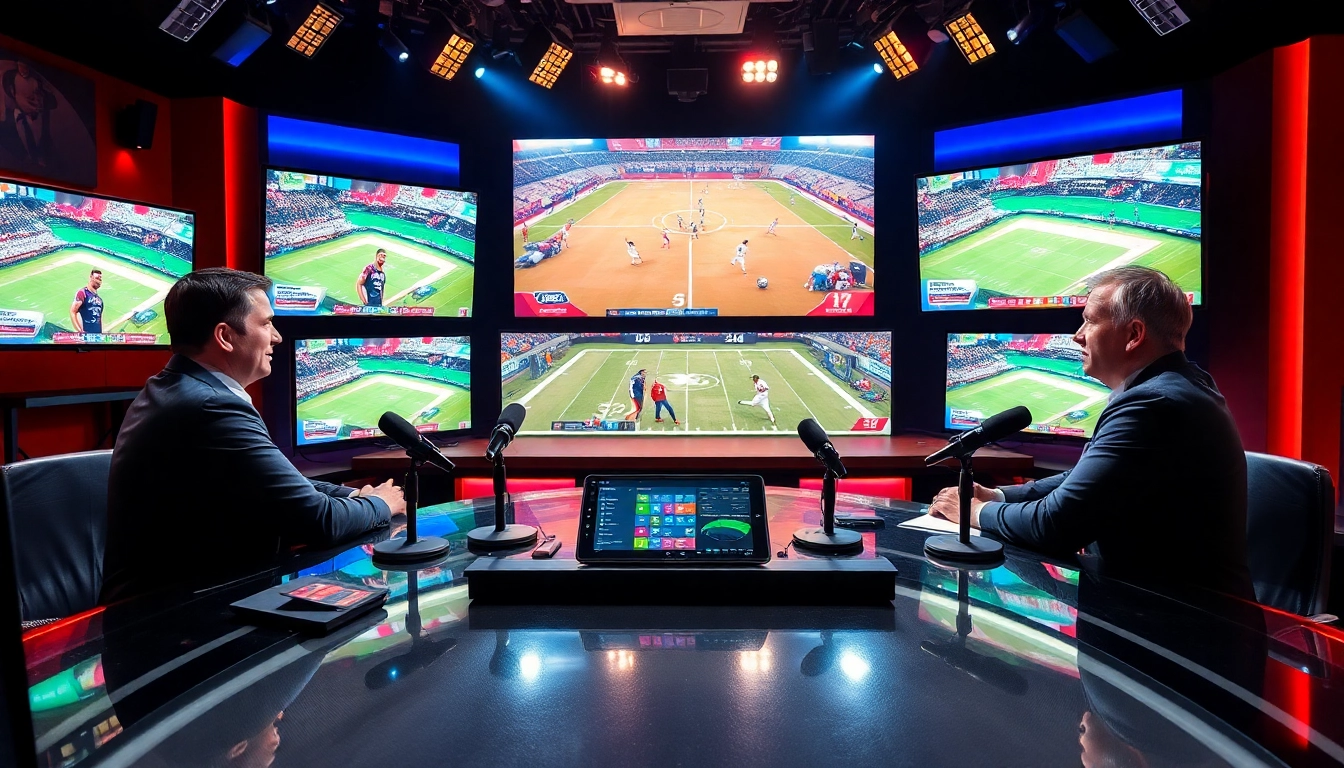
The Evolution of Sports Broadcasting
Sports Broadcasting has undergone a remarkable transformation over the decades, evolving from simple radio transmissions to complex multimedia experiences. This shift not only reflects advancements in technology but also changes in audience expectations and engagement levels. As you delve into the intricacies of Sports Broadcasting, it becomes evident that understanding its history and progression is vital for anyone involved in or studying the field.
Historic Milestones in Sports Broadcasting
The journey of Sports Broadcasting began in the early 20th century, primarily with radio broadcasts of games. The first documented sports broadcast occurred in 1921 when a boxing match between Jack Dempsey and Georges Carpentier was aired. This pioneering moment set the stage for a new era where audiences could experience live sports from the comfort of their homes.
The 1930s and 1940s saw the rise of television, which revolutionized Sports Broadcasting. Football and baseball games quickly became staples on TV, drawing in millions of viewers. Notably, the 1958 NFL Championship Game significantly popularized football, boasting one of the first thrilling broadcasts that captivated audiences nationwide.
In the decades that followed, networks began competing for broadcasting rights, leading to landmark agreements and the establishment of sports networks. The creation of ESPN in 1979 marked a crucial moment in Sports Broadcasting history, providing 24-hour sports coverage and paving the way for niche sports programming.
Technological Advancements Enhancing Live Coverage
The introduction of color television in the 1960s added a new dimension to sports broadcasts, allowing viewers to differentiate teams easily. By the 1980s, advances in satellite technology enabled international broadcasts, bringing global sports events to local screens. Technological innovation continued with the implementation of instant replay, which enhanced viewer engagement and satisfaction by allowing fans to relive critical moments almost immediately.
The digital era of the 2000s heralded the rise of high-definition broadcasting, providing clearer and more immersive viewing experiences. Broadcasts now incorporate multiple camera angles, overlay graphics, and enhanced audio, ensuring that viewers feel as though they are part of the event.
The Shift to Online Streaming Platforms
As internet connectivity improved, Sports Broadcasting found new platforms in streaming services. Platforms such as YouTube, Twitch, and dedicated sports streaming services began to change the dynamics of how audiences consume sports content. The shift towards on-demand services allows fans to watch games at their convenience, significantly impacting traditional viewership metrics.
Moreover, exclusive deals with streaming giants have reshaped the landscape. Major leagues and events are increasingly available online only, challenging traditional broadcast models and prompting viewers to adapt to new consumption habits.
Key Components of Effective Sports Broadcasting
Understanding Your Audience in Sports Broadcasting
Identifying and understanding the target audience is fundamental for effective Sports Broadcasting. Audience demographics, preferences, and engagement patterns shape content delivery and presentation style. Broadcasters must conduct surveys, analyze viewer data, and leverage social media analytics to configure their broadcasts in a way that resonates with fans.
For instance, younger audiences may prefer interactive elements and social media integration during games, while older audiences may value classic commentary and in-depth analysis. Tailoring content styles helps broadcasters connect better with various segments.
Vital Tools and Equipment for Broadcasting
A major aspect of producing quality sports broadcasts involves knowledge of the tools and equipment used. High-definition cameras, drones, microphones, and advanced broadcasting software play crucial roles in delivering compelling content. Equipment must be reliable, offering crisp visuals and clear audio to enhance viewer experience.
Additionally, the use of sophisticated analytics software helps teams assess viewer engagement in real-time, enabling them to make adjustments on the fly and optimize the broadcasting experience.
Best Practices for Engaging Storytelling
Effectively telling a story around the events being broadcast is vital for captivating audiences. Engaging commentary, historical context, player interviews, and behind-the-scenes footage all contribute to creating a narrative that fans can connect with.
Using storytelling techniques enhances emotional engagement, where viewers feel they are part of a larger narrative journey, not merely observers. In essence, blending factual analysis with storytelling creates an entertaining and informative viewing experience.
Challenges and Solutions in Sports Broadcasting
Overcoming Technical Issues During Live Broadcasts
Technical difficulties during live broadcasts can disrupt the viewing experience, requiring broadcasters to have robust contingency plans. From equipment malfunctions to poor internet connectivity, challenges can arise unexpectedly. Using redundancy strategies, such as backup systems for critical equipment, can help mitigate disruptions.
Furthermore, having a well-trained technical crew can facilitate rapid response to issues, ensuring that broadcasts run smoothly and viewers remain engaged even when problems occur.
Navigating Rights and Permissions in Broadcasting
Securing rights to broadcast sporting events can be complex, involving negotiations with leagues, teams, and athletes. Understanding the legal framework surrounding broadcasting rights is essential for successful operation in this field. Broadcasters must stay informed about the evolving landscape of contracts, regulations, and licensing agreements to ensure compliance and reduce the risk of disputes.
In many cases, collaborating with legal experts and industry insiders helps streamline the process, enabling broadcasters to navigate rights and permissions effectively.
Addressing Viewer Preferences and Trends
Staying in tune with viewer preferences and trends is crucial for broadcasters to remain competitive. Metrics derived from audience engagement can guide content adjustments and enhance viewership. Broadcasters should establish feedback loops, utilizing viewer surveys and social media polls to gather insights into what resonates most.
An effective approach involves continuous monitoring of trends in consumption habits, enabling broadcasters to adapt their strategies and remain ahead of the curve.
Metrics and Analysis in Sports Broadcasting
Key Performance Indicators for Success
To gauge success, it’s critical for broadcasters to track key performance indicators (KPIs). These metrics might include viewer ratings, engagement levels, social media interactions, and advertising revenues. Each metric provides insights into audience behavior and informs broadcast strategies.
For instance, measuring viewer retention can reveal whether audiences remain engaged throughout a broadcast or drop off at specific segments, highlighting areas for improvement.
Using Data to Inform Broadcast Strategies
Data analytics has become an essential tool in Sports Broadcasting, guiding decision-making processes. By analyzing viewer demographics, preferences, and engagement statistics, broadcasters can tailor their offerings and improve marketing strategies. Data-driven decisions enhance operational efficiency, allowing for better resource allocation and strategic investments.
One practical application involves timing the airing of promotional content during high-engagement moments, maximizing reach and viewer interest.
Adapting to Viewer Feedback for Future Events
Feedback from viewers offers a wealth of opportunities for improvement. Broadcasters should actively solicit viewer opinions post-event through surveys, social platforms, or direct feedback during broadcasts. Incorporating this feedback leads to enhanced content delivery and audience satisfaction.
For example, if viewers express a desire for more interactive segments, broadcasters can start incorporating fan questions or polls during live events, enriching the viewing experience in future broadcasts.
Future Trends in Sports Broadcasting
The Role of Augmented Reality in Viewership
Augmented Reality (AR) is positioned to redefine the Sports Broadcasting landscape. By overlaying digital information onto live broadcasts, AR can provide unique visuals and insights, enhancing viewer engagement. Imagine dynamic statistics and player bios appearing right on-screen as the action unfolds, putting fans even closer to the game.
As AR technology continues to evolve, its integration into Sports Broadcasting will likely grow, offering innovative ways for fans to engage and understand the sport.
Predictions for Content Delivery Innovations
Advancements in Artificial Intelligence (AI) and machine learning are expected to revolutionize Sports Broadcasting. Personalized viewing experiences, tailored ad placements, and smart content recommendations will become commonplace. As broadcasters leverage data to create customized experiences, fans will become more engaged, enjoying content that aligns with their preferences.
Moreover, virtual reality broadcasts may provide immersive viewing options, allowing fans to experience events as if they were on-site, an exciting trend that holds immense potential.
Understanding the Global Landscape of Sports Broadcasting
The globalization of sports continues to influence broadcasting strategies worldwide. As leagues and teams gain international followings, broadcasters must adapt their content to diverse cultural contexts. Understanding regional preferences and adapting language or presentation style will be crucial in building global audiences.
Furthermore, collaborating with international partners will help broadcasters access new markets and widen their audience reach, showcasing sports in various contexts and formats.
FAQs on Sports Broadcasting
What is Sports Broadcasting?
Sports Broadcasting involves the live coverage and transmission of sports events through various media platforms, including television, radio, and online streaming, aimed at engaging fans and delivering real-time action.
How has technology shaped Sports Broadcasting?
Technology has significantly enhanced Sports Broadcasting, introducing high-definition visuals, multi-camera angles, instant replays, and online streaming, thus improving viewer experiences and accessibility.
What are common challenges in Sports Broadcasting?
Challenges include technical issues, securing broadcasting rights, adapting to viewer preferences, and maintaining engagement during live events, all requiring effective strategies and contingency planning.
Why is data important in Sports Broadcasting?
Data helps broadcasters understand viewer preferences, measure engagement, and inform strategic decisions, allowing them to tailor content and improve overall viewing experiences.
What future trends should we expect in Sports Broadcasting?
Expect innovations like augmented reality enhancements, personalized content delivery through AI, and increased focus on international markets as Sports Broadcasting continues to evolve.