

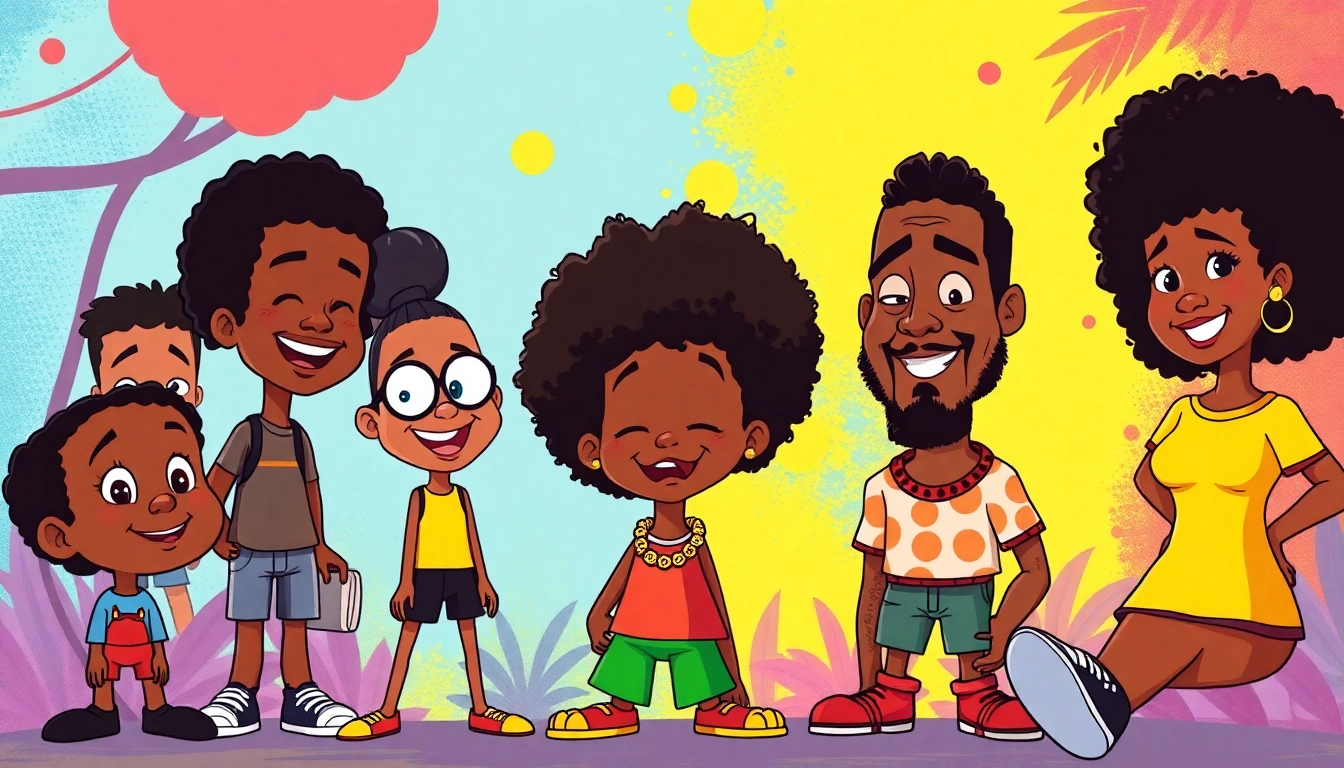
Understanding the Importance of African American Cartoons
The representation of African American culture in animation plays a crucial role in shaping perceptions and fostering understanding in diverse audiences, especially children. As society evolves, so does the narrative depicted in cartoons, making it essential to explore the significance of African American cartoons and the impact they have on culture and societal norms. These animated stories do more than entertain; they educate and inspire. For an extensive collection of engaging content relating to African American Cartoons, viewers can delve into a rich array of shows that highlight diverse experiences and narratives.
The Historical Context of Representation
The history of African American animation is rich yet complex, mirroring the broader struggles for representation and equality within the entertainment industry. Historically, cartoons featuring African American characters often perpetuated stereotypes, limiting the scope of who could be seen as a hero or central character. This trend began to change in the late 20th century, as creators like Aaron McGruder, the mastermind behind “The Boondocks,” began to challenge these stereotypes and depict more nuanced characters. The advent of shows focusing on African American narratives heralded a new era, inviting a celebration of culture through humor, artistry, and storytelling.
The Impact on Children and Families
African American cartoons serve as powerful tools for education and awareness among young viewers. They help children of all backgrounds understand diversity and appreciate different cultural narratives. Shows such as “Doc McStuffins” and “The Proud Family” not only entertain but also normalize the presence of African American characters in lead roles, promoting self-acceptance among children who identify with these characters while encouraging empathy in those who do not. As families watch these shows together, they can engage in discussions about race, culture, and the importance of representation, enriching their collective understanding and fostering deeper connections.
Breaking Stereotypes in Animation
Contemporary African American cartoons have made significant strides in breaking down harmful stereotypes often associated with African American culture. Instead of conforming to outdated caricatures, modern animated series showcase multifaceted characters with their own aspirations, strengths, and weaknesses. The evolution of characters in shows like “Craig of the Creek” and “Big Mouth” exemplifies this shift, presenting stories that reflect real-life experiences while providing comedic relief. By embracing authenticity, these shows empower the next generation of cartoonists and writers to craft narratives that resonate with truth and relevance.
Iconic Characters and Their Stories
The world of African American cartoons is rich with characters that have not only entertained audiences but also influenced cultural conversations. Iconic figures like Huey and Riley Freeman from “The Boondocks” challenge societal norms and engage audiences with their sharp wit and critical outlook on contemporary issues. Other memorable characters such as Frozone from “The Incredibles” and Penny Proud from “The Proud Family” have established themselves as cultural touchstones, bringing a sense of pride and relatability to viewers. These characters are not just animated visuals; they are representations of resilience, creativity, and cultural pride.
Trailblazing Characters from the 90s to Today
The late 20th century saw a surge in animated characters who would become staples of African American culture. “Fat Albert and the Cosby Kids,” created by Bill Cosby, was pioneering in its depiction of African American youth as relatable and vibrant. Fast forward to today, characters like T’Challa in Marvel’s animated adaptations and the return of “The Proud Family” with a modern twist showcase how these characters have evolved while still celebrating their roots. Each character’s journey reflects broader societal changes and the growing demand for diversity in storytelling.
How Modern Cartoons Reflect Cultural Narratives
In recent years, modern cartoons have become increasingly adept at tackling complex cultural narratives, weaving in themes of identity, social justice, and family dynamics. Series like “Afro Samurai,” although more niche, offer gritty, mature narratives that allow for deeper exploration of race and identity through the lens of fantasy. By integrating cultural storytelling with animation, these series resonate with both young viewers and adults, creating shared experiences that foster understanding across generations.
Character Development and Diversity in Storytelling
Character development is a cornerstone of effective storytelling. In the realm of African American cartoons, it is crucial for characters to undergo growth that reflects their cultural background and personal struggles. For instance, the journey of D.W. from “Arthur” highlights the nuances of sibling dynamics and diverse family structures. As diverse characters are fleshed out with complex backstories and motivations, they become more relatable and realistic, further emphasizing the importance of representation in animation.
Top African American Cartoons to Watch in 2026
The landscape of African American animation continues to evolve, offering a mix of new releases and beloved classics that captivate audiences. Cartoons from various genres, including comedy, adventure, and educational content, ensure there is something for everyone. As viewers seek to diversify their entertainment options, the following selections stand out as must-watch titles for 2026.
Beloved Classics Making a Comeback
Several classic shows have made significant comebacks in recent years, offering nostalgia while embracing modern storytelling techniques. “The Proud Family” reboot is a prime example, continuing the stories of Penny and her friends while addressing contemporary issues like social justice and identity. Similarly, “Fat Albert” is being revisited with updated animations that retain the humor while making it relevant for a new generation.
New Releases to Look Forward To
As we look ahead to 2026, several highly anticipated new releases featuring African American characters are set to hit screens. “Young Love,” inspired by Matthew A. Cherry’s Oscar-winning short film, promises to deliver heartfelt stories about parenting and love from a distinctly African American perspective. Another noteworthy mention is the new animated series based on the beloved character, Static Shock, which is being revived to resonate with today’s audience while staying true to its cultural roots.
Hidden Gems in Independent Animation
Beyond mainstream offerings, independent animation has begun to shine a light on African American stories that are often overlooked. Projects like “Hair Love,” which celebrates the relationship between a father and daughter while addressing the complexities of African American hair, offer poignant narratives that highlight cultural pride. Streaming platforms have become critical to showcasing these hidden gems, allowing diverse stories to flourish without the constraints of traditional media.
The Role of Animation Studios in Championing Diversity
Animation studios play a pivotal role in fostering diversity within the industry by championing stories that represent African American experiences. Pioneering efforts by studios such as Pixar and DreamWorks have led to collaborations with African American creators, resulting in authentic portrayals of culture in their animated films and series. The inclusion of diverse voices in the creative process is essential to nurturing genuine storytelling that resonates with audiences worldwide.
Pioneering Studios and Their Contributions
Studios like Disney and DreamWorks have made significant strides in representation through their animated offerings. Films like “The Princess and the Frog” were groundbreaking for showcasing an African American princess, while “Soul” delved deeply into the cultural intricacies of being an African American artist. Such contributions not only enhance the animation landscape but also inspire future generations of storytellers to create their narratives.
Collaborations with African American Creators
Collaborating with African American creators has proven to be vital in producing authentic content that reflects the nuances of the culture. When creators like LeBron James lend their voices and stories to projects like “Space Jam: A New Legacy,” they bring their unique perspectives to the narratives, enriching the material with layers of authenticity and relatability. These partnerships help to break down barriers and create a more inclusive media environment.
Innovative Approaches to Storytelling
Innovation in animation goes hand-in-hand with diversity. As studios explore new animation styles and techniques, they can tell stories that reflect the complexities of African American life. By incorporating a variety of artistic styles—from traditional hand-drawn animation to cutting-edge digital graphics—creators can craft immersive experiences that speak to the rich tapestry of African American culture.
Future Trends in African American Animation
The future of African American animation looks promising, with emerging trends shaping the landscape in the coming years. As technology evolves, so does the potential for storytelling, allowing creators to explore new dimensions in animation and narrative structure.
Emerging Technologies and Animation Styles
As technology advances, the possibilities for animation are limitless. Virtual reality and augmented reality are beginning to find their way into animated experiences, creating immersive worlds that engage audiences like never before. These technologies have the potential to give viewers a more intimate connection with characters and narratives, particularly in African American storytelling where cultural nuances can be deeply explored.
The Influence of Social Media on Content Creation
Social media platforms have become essential tools for creators to share their work and engage with audiences. This democratization of content creation allows for a diverse range of voices, particularly among African American creators. Platforms like YouTube and TikTok offer emerging animators a space to showcase their talents and tell stories that may not fit the traditional molds of mainstream media.
Predictions for African American Representation Beyond 2026
Looking forward, the representation of African Americans in animation is expected to continue to grow, influenced by societal shifts and cultural movements. As audiences demand more authentic narratives and as the animation industry embraces inclusivity, we can anticipate a future where diverse stories are the norm, not the exception. This ongoing evolution will ensure that African American cartoons not only reflect culture but also help shape it for generations to come.


