

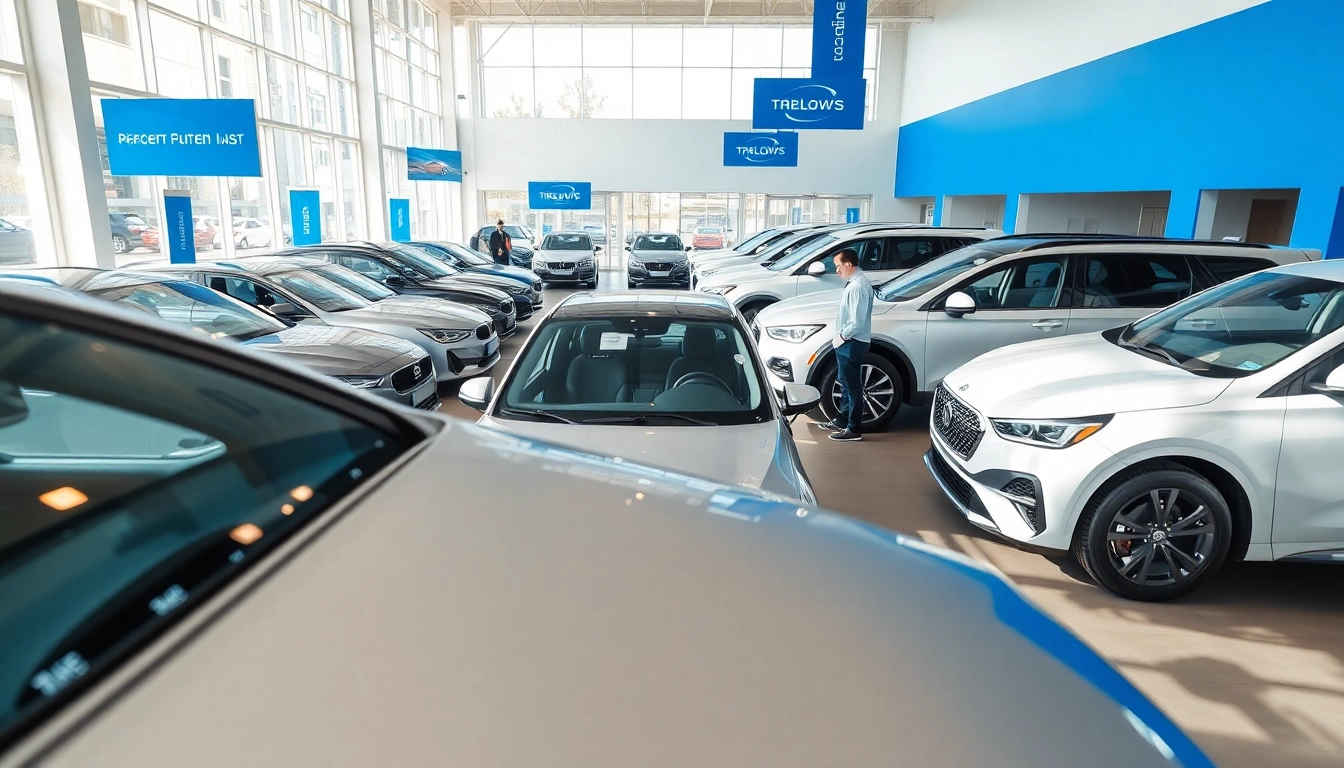
Understanding Your Needs When You Buy a Car
Purchasing a car is one of the significant financial decisions many people make. It involves not just a substantial monetary commitment but also impacts your daily life in terms of convenience, mobility, and expenses. Therefore, before making such a decision, it’s crucial to clearly understand your needs and preferences. This guide will help you navigate the complexities of the car-buying process, ensuring that you make an informed choice. Whether you’re a first-time buyer or looking to replace an old vehicle, acquiring the right knowledge can simplify your journey. You can start by learning about various aspects of car buying by visiting Buy a car and exploring resources tailored for prospective buyers.
Identify Your Budget
Establishing a budget is the first step in the car-buying process. Your budget will dictate which vehicles are within your financial reach. Begin by assessing your finances:
- Monthly Income: Determine how much you can afford to spend on a car each month without compromising your essential expenses.
- Loan Pre-Approval: If you’re planning to finance your purchase, getting pre-approved for a loan can help you understand your borrowing capacity and also strengthens your negotiating position with dealers.
- Additional Costs: Remember to factor in additional ownership costs, such as insurance, maintenance, fuel, and registration fees. These can add significantly to the overall cost of owning a vehicle.
Determine Vehicle Type
Understanding which type of vehicle serves your needs best is critical. Think about the following considerations:
- Usage: Consider how you will use the car – for daily commuting, road trips, family transport, or recreational activities. This insight will help narrow down your options.
- Size: Will a compact car suffice, or do you need a larger SUV or a minivan? Assess the number of passengers you frequently travel with and the amount of cargo space you require.
- Fuel Efficiency: If you spend considerable time on the road, opting for a fuel-efficient vehicle can save you money in the long run.
List Desired Features
Creating a wish list of features helps in the selection process. Think about what you consider non-negotiable vs. nice-to-have features:
- Safety Features: Features such as airbags, anti-lock braking systems, electronic stability control, and advanced driver-assistance systems (ADAS) should take precedence, especially if you have family members traveling with you.
- Technology: Consider infotainment options, connectivity (like Bluetooth or Apple CarPlay), navigation systems, and driver comfort features such as heated seats or climate control.
- Warranty and Reliability: Research brands and models with solid reputations for reliability and manufacturer warranties. A car that has good longevity will offer more value over the years.
Research Options to Buy a Car
Once you have a clear understanding of your needs, it’s time to dive into research. The internet offers a plethora of resources to assist prospective buyers. Smart research enhances your knowledge and prepares you to make more informed decisions.
Use Online Resources
Multiple platforms provide useful tools for comparing different vehicles:
- Comparative Tools: Websites that compare cars side by side can allow you to evaluate features, specifications, and pricing easily.
- Market Research: Referring to articles, guides, and reviews from reputable automotive sites will give you insights into market trends and what vehicles might best suit your requirements.
- Price Metrics: Access online pricing guides to understand what you should expect to pay for different models based on your location and their condition.
Read Reviews and Comparisons
Step back and read real user reviews and expert comparisons of the vehicles you are considering:
- Expert Reviews: Look for independent reviews and ratings. Professional reviewers often conduct thorough evaluations that highlight the pros and cons of vehicles.
- User Experiences: Seek out forums and social media platforms where current owners discuss their experiences with specific models, which can provide unique insights not typically covered in professional reviews.
- Reliability Ratings: Refer to sources that provide long-term testing results and reliability ratings to gauge the performance of the models you’re interested in over time.
Evaluate Where to Buy
Deciding where to purchase your car is pivotal. Different avenues will offer varying experiences:
- Dealerships: Traditional dealerships often offer new and certified pre-owned vehicles, with rebates and financing options, but may include higher prices due to operational costs.
- Private Sellers: Buying from a private seller might yield lower prices but comes with higher risks and fewer guarantees regarding the vehicle’s condition.
- Online Platforms: Websites are increasingly popular for their convenience, allowing you to shop from the comfort of your home. Many offer robust return policies, inspections, and in-app financing tools.
Negotiating Your Purchase
Negotiation is a critical skill to master to secure the best deal possible when purchasing a car. A well-prepared buyer can significantly influence the sale price and purchase terms.
Tips for Effective Negotiations
Employ the following strategies when negotiating your car purchase:
- Research Price Ranges: Familiarize yourself with the fair market value of the vehicle you want. Use your market research as leverage when discussing price.
- Stay Calm and Respectful: Maintaining a calm demeanor can lead to better negotiations. Remember that the goal is to find a mutually agreeable price.
- Be Prepared to Walk Away: Sometimes, the best negotiation tactic is being willing to walk away. This demonstrates confidence and can lead the seller to reconsider their offer.
Understanding Pricing Structures
Offering a deep understanding of the pricing structures involved in buying a car can empower you in negotiations:
- Invoice Price: Understand the invoice price, which is what the dealer pays the manufacturer. This can be an essential point of reference during negotiations.
- Incentives and Rebates: Be aware of current manufacturer incentives or dealer-specific promotions that can reduce the final price.
- Trade-In Values: If you have a vehicle to trade in, know its market value and be prepared to negotiate that into the overall deal.
How to Get the Best Deal
To maximize savings and secure the best deal, consider the following tips:
- Time Your Purchase: Align your purchase with incentives or end-of-year clearances when dealers are keen to meet sales quotas.
- Secure Financing Before Shopping: Obtaining outside financing can give you more bargaining power compared to relying solely on dealership financing.
- Don’t Rush: Take your time to think through the negotiation process rather than settling for the first offer. A well-paced approach often results in better deals.
Checking Vehicle History Before You Buy a Car
Before finalizing a purchase, especially when considering a used car, performing due diligence is vital to ensure that you are making a wise investment. This involves checking the vehicle’s history, inspecting it, and arranging a test drive.
Importance of Vehicle Reports
Obtaining a vehicle history report can provide critical information on the car’s past:
- Accident History: Check for any accidents the vehicle has been involved in, as this will affect its condition and resale value.
- Title Status: Ensure that the title is clear of any liens and the car has not been declared a total loss.
- Service Records: Review maintenance records that can give insights into how well the vehicle has been cared for over time.
Inspecting Used Cars
When examining a used car, consider undertaking a comprehensive inspection:
- Exterior and Interior Check: Look for any signs of wear, rust, or previous damage. Inspect the condition of the tires and check the alignment.
- Mechanic Inspection: If possible, get a mechanic to perform a thorough inspection of the vehicle. They can identify potential problems that may not be visible to the average buyer.
- Understand Previous Ownership: Knowing how many owners the vehicle has had and how it was used can give important context to its condition.
Test Driving a Potential Purchase
A test drive is a non-negotiable step in the car buying process. It allows you to evaluate the vehicle’s performance firsthand:
- Assess Comfort: Ensure that the vehicle meets your comfort expectations. Look for ergonomic seating and easy-to-reach controls.
- Monitor Performance: Pay attention to the engine’s responsiveness, braking performance, and handling during the test drive.
- Check Features: Verify that all the desired features function correctly during the test drive, such as infotainment systems and air conditioning.
Finalizing the Sale and Post-Purchase Tips
Once you have made your decision and are ready to finalize the sale, it’s essential to understand the necessary processes and prepare for vehicle ownership.
Understanding Contracts and Financing
When finalizing the sale, ensure you completely understand all contractual obligations:
- Read the Fine Print: Scrutinize the sales contract to ensure it reflects everything promised verbally during negotiations.
- Understand Financing Terms: If financing the vehicle, understand the APR, loan length, and any penalties for late payments.
- Negotiated Add-Ons: Be cautious of additional products being offered, such as extended warranties or insurance packages that can inflate costs.
Preparing for Ownership Costs
After the purchase, it’s crucial to prepare for ongoing costs associated with owning a vehicle:
- Insurance: Research and secure adequate coverage options that comply with state requirements while offering sufficient protection.
- Maintenance and Repairs: Establish a routine maintenance schedule to maintain the vehicle’s performance and longevity.
- Fuel Costs: Account for fuel consumption in your budget and consider economic driving practices to save on fuel expenses.
Maintaining Your Vehicle After Purchase
To ensure the longevity and safety of your vehicle, regular maintenance is necessary:
- Regular Check-Ups: Schedule routine maintenance checks for oil changes, brake assessments, and tire rotations.
- Keep it Clean: Maintain cleanliness for both the interior and exterior to preserve the vehicle’s condition and resale value.
- Stay Informed: Follow manufacturer recommendations regarding service intervals and recall notices to keep your car safe and compliant.
