Understanding Electric Chain Hoist Cranes
In the realm of industrial lifting solutions, the electric chain hoist crane stands as a versatile and efficient choice for a wide array of applications. These hoists are designed to lift heavy loads with minimal physical effort, utilizing electric power to operate. As industries evolve, electric chain hoists have adapted to meet the increasing demands for safety, efficiency, and precision in material handling. In this section, we will delve into what electric chain hoist cranes are, their benefits, and how they compare to other lifting devices.
What is an Electric Chain Hoist Crane?
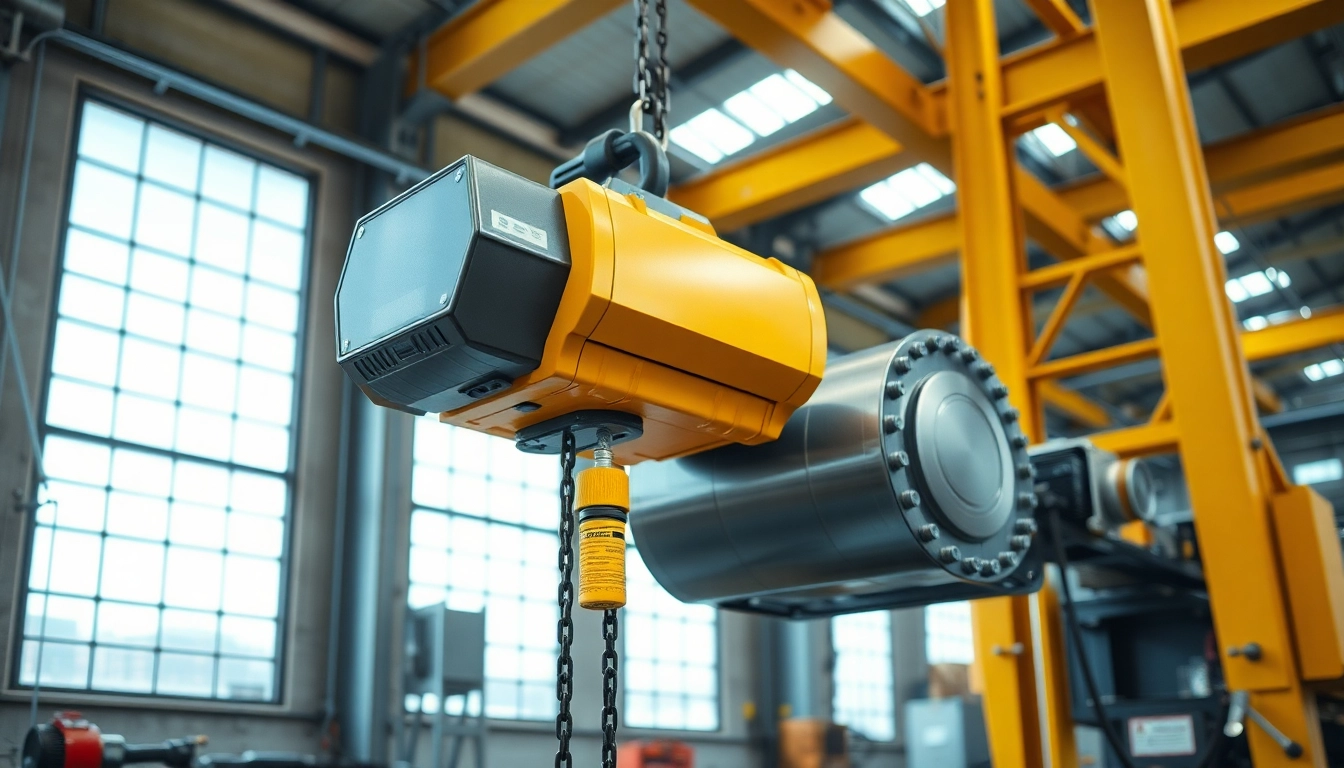
An electric chain hoist crane is a mechanical device used for lifting and lowering heavy loads in various industrial settings. This type of hoist employs a chain mechanism powered by an electric motor, which allows for smooth and controlled lifting motion. Unlike manual hoists, these cranes significantly reduce the physical strain on workers and improve lifting efficiency, making them ideal for frequent operations in warehouses, factories, and construction sites.
Key Benefits of Using Electric Chain Hoists
- Increased Efficiency: Electric chain hoists can lift loads quickly, reducing downtime.
- Enhanced Safety: With features like overload protection and emergency stop buttons, electric hoists minimize risks associated with manual lifting.
- Ease of Use: Operators can control the hoist with simple buttons, making it accessible for various operators with different skill levels.
- Versatility: Suitable for a wide range of applications, from manufacturing to construction, these hoists can handle different load capacities.
- Low Maintenance: Electric hoists are designed for durability, requiring less frequent maintenance compared to their manual counterparts.
How Electric Chain Hoists Compare to Other Lifting Solutions
When comparing electric chain hoists to other lifting solutions, it’s essential to evaluate their application contexts. Manual chain hoists require significant physical exertion, making them suitable for occasional use or lighter loads. In contrast, electric hoists are perfect for continuous use in environments dealing with heavy machinery or materials. Additionally, electric hoists typically have higher lifting capacities and faster lifting speeds, which can contribute to improved productivity.
Choosing the Right Electric Chain Hoist Crane
Selecting the appropriate electric chain hoist crane is crucial for optimal operational efficiency and safety. This process involves assessing various factors, including load capacity, lifting speed, and specific application needs. Understanding these elements can help businesses avoid costly mistakes and choose the best equipment for their lifting tasks.
Factors to Consider When Selecting a Hoist
- Load Capacity: Determine the maximum weight that needs to be lifted to ensure the hoist can handle the loads safely.
- Lifting Height: Consider the height from which materials will be lifted and ensure the hoist has an adequate lifting capacity.
- Power Source: Electric chain hoists can operate on different voltage levels. Choosing one that matches your facility's power supply is essential.
- Environment: Assess whether the hoist will operate in indoor or outdoor conditions, as specific models may be better suited for harsh environments.
Comparing Load Capacities and Lifting Speeds
The selection process also involves understanding the various load capacities and lifting speeds available. Electric chain hoists can lift anywhere from a few hundred pounds to several tons. For example, a 1-ton hoist is suitable for light to medium industrial tasks, whereas a hoist rated for 5 tons is ideal for heavy-duty applications. Additionally, consider the lifting speed required for your operations, as faster hoists can significantly enhance productivity.
Customization Options for Specific Applications
Many manufacturers offer customization options for electric chain hoists to meet specific operational needs. This can include features like specialized hooks, trolleys for horizontal movement, and remote control capabilities. Thinking ahead about how the equipment will be used can lead to better productivity and safety in operations.
Installation and Safety Practices
Proper installation and adherence to safety practices are vital when operating electric chain hoists. Incorrect installation can lead to dangerous situations, including equipment failure or accidents, making it essential to follow guidelines closely and ensure all operators are adequately trained.
Steps for Proper Installation of Electric Chain Hoists
- Selecting the Location: Choose a suitable place that allows for adequate movement and access around the hoist.
- Mounting the Hoist: Ensure the hoist is securely mounted to a robust support structure, capable of handling the maximum load.
- Electrical Connections: Follow manufacturers' guidelines for electrical connections and ensure compliance with local electrical codes.
- Testing: Before full operation, conduct thorough tests to confirm that all systems are functioning correctly.
Safety Protocols When Operating Hoists
Implementing strict safety protocols is essential for ensuring safe operations. Operators should be well-trained in the hoist's operation, understand load limits, and follow the manufacturer's operational guidelines. Regular safety audits can help identify and mitigate potential risks.
Common Mistakes to Avoid During Installation
- Neglecting to read the operation manual thoroughly.
- Overloading the hoist during initial testing or regular use.
- Failing to secure electrical connections properly, leading to potential hazards.
- Ignoring the need for routine inspections and maintenance checks.
Maintenance and Troubleshooting
Regular maintenance is critical to ensuring the longevity and reliable performance of electric chain hoists. A proactive approach to maintenance can prevent unexpected breakdowns and ensure efficient operations.
Regular Maintenance Tips for Longevity
- Daily Inspections: Conduct daily checks on chains, hooks, and electrical connections for signs of wear or damage.
- Lubrication: Regularly lubricate mechanical components to reduce friction and wear.
- Load Testing: Schedule periodic load tests to ensure the hoist meets safety performance standards.
Identifying Common Issues with Electric Chain Hoists
Recognizing potential issues early can save time and money. Common problems include unusual noises during operation, failure to lift loads, and erratic movement. Keeping a log of maintenance activities and issues can help pinpoint recurring problems.
When to Seek Professional Service
In cases of significant malfunction, such as electrical failures or structural damage, it’s best to consult with a qualified technician. Regular professional inspections can also help maintain optimal functionality and safety standards.
Future Trends in Electric Chain Hoist Technology
The landscape of electric chain hoists is constantly evolving, driven by technological advancements and the growing need for efficiency and safety in industrial operations. Understanding these trends is crucial for companies looking to stay competitive in their sectors.
Innovative Features to Look for in 2025
- IoT Integration: Smart hoists equipped with IoT technologies will enable real-time monitoring and data analytics to optimize performance.
- Advanced Safety Features: Innovations like automated load detection systems and emergency stop capabilities will become standard.
- Energy Efficiency: New models will focus on using less power while maintaining performance, aligning with sustainability goals.
Impact of Automation on Hoist Operations
Automation is rapidly reshaping the industry landscape, with electric chain hoists becoming integral to automated material handling systems. Automated hoists will facilitate increased efficiency, reduce labor costs, and improve safety.
Predictions for the Future of Industrial Lifting Solutions
As industries increasingly embrace automation and smart technologies, the future of electric chain hoist cranes looks promising. Advancements in materials, such as lightweight yet sturdy composites, will enhance hoist designs. Furthermore, the emphasis on sustainability will drive innovations toward more energy-efficient operations, ensuring the continued relevance and utility of electric chain hoists in various applications.